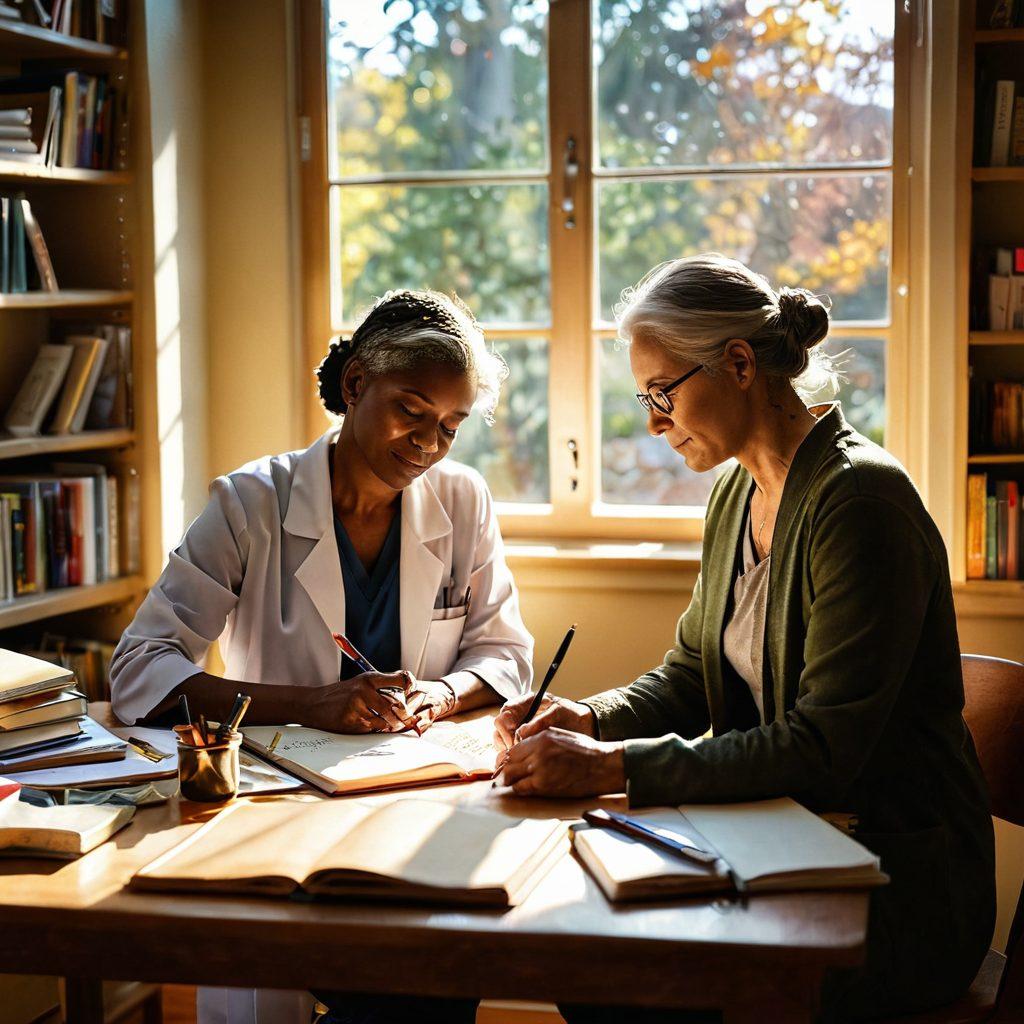
Healing Through Words: Transformative Stories and Support in the Cancer Journey
In the world of oncology, where the battles against tumors take precedence, personal narratives emerge as shining beacons of hope. For individuals navigating the tumultuous waters of a cancer diagnosis, these stories often become vital maps guiding them through the potentially overwhelming journey ahead. Whether you're reading about a brave survivor or reflecting on your own cancer journey, these healing narratives resonate deeply with our shared experiences, illuminating the path to well-being and resilience. More importantly, they remind us that we are not alone in our fight against cancer.
Why do these personal stories hold such power? Perhaps it's because they are rich in authenticity and emotion, allowing individuals to find comfort and connection. A quote by author Maya Angelou resonates here: "There is no greater agony than bearing an untold story inside you." This highlights the importance of sharing one's experiences – through creative writing or simply recounting one's cancer journey – fostering an invaluable sense of community among survivors. Such connections provide peer support, further empowering individuals to navigate their treatment and recovery with courage and strength.
As we delve into the importance of these survivor stories, we see how they contribute significantly to cancer awareness. They serve as living testimonials within health education, illustrating not just the hardships faced during treatment, but also the triumphs that follow. By sharing their experiences, survivors not only advocate for themselves but also shine a light on the challenges of cancer, encouraging others to engage in dialogue about their diagnoses. It’s these real-life encounters that pave the way for crucial cancer research and a deeper understanding of what it means to heal.
Moreover, the healing aspect of sharing personal narratives cannot be understated. Numerous studies in mental health underline the therapeutic effects of storytelling. The act of articulating one's fears, hopes, and recovery strategies can contribute significantly to the self-care practices of survivors. It transforms painful experiences into powerful lessons, bridging the gap between fiction and reality. With every word penned or spoken, the narrative unfolds, allowing for a deeper understanding of the emotional toll that cancer can take and the resilience that survivors often exhibit.
In the end, it’s about cultivating an online community where these stories are shared and celebrated. By building platforms that encourage the exchange of community stories, individuals can find solace in knowing their experiences are valued. The more we express ourselves, the more we invite others to share. In this dance of vulnerability and strength, we create a safe space where everyone can find their voice and their place. So, if you're a survivor or know someone who is, consider documenting your journey. Your story could be the lifeline someone else needs as they embark on their own cancer journey.
Words that Heal: Exploring the Intersection of Creative Writing and Oncology
In the realm of oncology, where the words 'tumor' and 'diagnosis' can evoke fear and uncertainty, emerges a transformative power—the power of language. Creative writing not only allows individuals to articulate their experiences but creates a healing space where patients and caregivers can connect. Storytelling becomes a balm for the wounded soul, reminding us of the resilience present in the human spirit. How can we harness the healing nature of words to navigate the cancer journey?
Imagine sitting down with a cup of tea, pen in hand, tapping into the well of your creativity to spill ink onto paper. In this space of vulnerability, personal stories unfold, revealing the raw truth of living with cancer. Each survivor story captures the essence of struggle and triumph, an emotional tapestry that weaves resilience into the narrative of well-being. The act of writing becomes a form of self-care, fostering emotional health and encouraging patients to share their experiences with an online community that truly understands.
Cancer awareness often focuses on treatments and research, but what about the healing narratives that emerge during illness? These narratives serve as crucial touchstones for those navigating their own cancer journeys. They remind us that we are not alone in our fights—that our fears and hopes are shared. Moreover, creative writing opens a dialogue between patients and healthcare providers, reinforcing the idea that mental health is just as critical as physical health in the treatment plan. Isn’t it empowering to know your story can contribute to health education and patient support?
Peer support flourishes in the embrace of shared experiences through writing. When patients document their struggles and victories, they create a resource for others who may feel lost or isolated. Fictional narratives inspired by real experiences can be a source of inspiration and comfort, drawing light on topics that are often shrouded in silence. Through community stories, patients learn that they hold the power to inspire change and foster connection. What if your words could spark hope within someone else battling cancer?
As we reflect on the intersection of creative writing and oncology, it’s evident that words can heal and transform. They allow individuals to reclaim their narrative in a world overtaken by medical jargon. Each story, whether written or spoken, contributes to a collective consciousness that promotes healing and survivorship. By embracing the power of language, we not only honor our journeys but also pave the way for others. How might you use your voice and your story in this ongoing narrative of hope and healing?
Building a Supportive Community: How Stories Foster Connection and Well-Being
In a world where words can heal, the journey through oncology can feel isolating. Many who face the daunting diagnosis of cancer often find solace in the stories of others. The tales of survival, struggles, and strength not only create a bridge to understanding but also foster a powerful sense of connection. Imagine the warmth of being surrounded by a community that knows exactly what you're going through. These are not just stories; they serve as a beacon of hope and well-being, reminding us that no one has to navigate the cancer journey alone.
Every cancer journey is unique, with its twists and turns that often go unspoken. How can we foster a supportive community where patients can feel heard, understood, and uplifted? The answer lies in personal stories and the healing narratives they create. As individuals share their experiences, whether it’s a tale of undergoing treatment, managing a tumor, or simply navigating the emotional fallout, it becomes more than just words on a page; it transforms into a collective experience that unites us all in a shared mission of cancer awareness.
Peer support plays a crucial role when it comes to healing and well-being for cancer patients. They say, 'A burden shared is a burden halved,' and this couldn’t be truer when discussing the mental health implications of a cancer diagnosis. It’s vital for patients, survivors, and their families to understand that they are not alone. Many find comfort and strength through online community platforms, where survivor stories and creative writing flourish. Online forums have become a treasure box of community stories that inspire hope and foster connection during the most challenging times.
Through storytelling, we unravel complex emotions tied to our experiences — fear of treatment, anxiety about prognosis, and the sometimes overwhelming task of self-care. Each narrative contributes valuable health education to the next person embarking on the cancer journey. As we share, we not only help ourselves but also ignite curiosity in others. Have you ever felt an overwhelming urge to reach out and tell your story? Rest assured, your words can empower someone else, guiding them through their battle with cancer. Writing fiction or sharing true experiences can be an elixir of healing, drawing the reader into a world where empathy thrives.
Ultimately, building a supportive community is about creating safe spaces where healing takes place. We can harness the power of personal stories to cultivate courage and resilience among cancer patients. So, the next time you sit down to share your words, remember: you could very well be the person who provides that spark of hope. Your experience may serve as a guiding light, supporting another individual in their cancer journey, reminding them that they are not just a statistic of a diagnosis or treatment, but part of a thriving community where connection leads to healing.